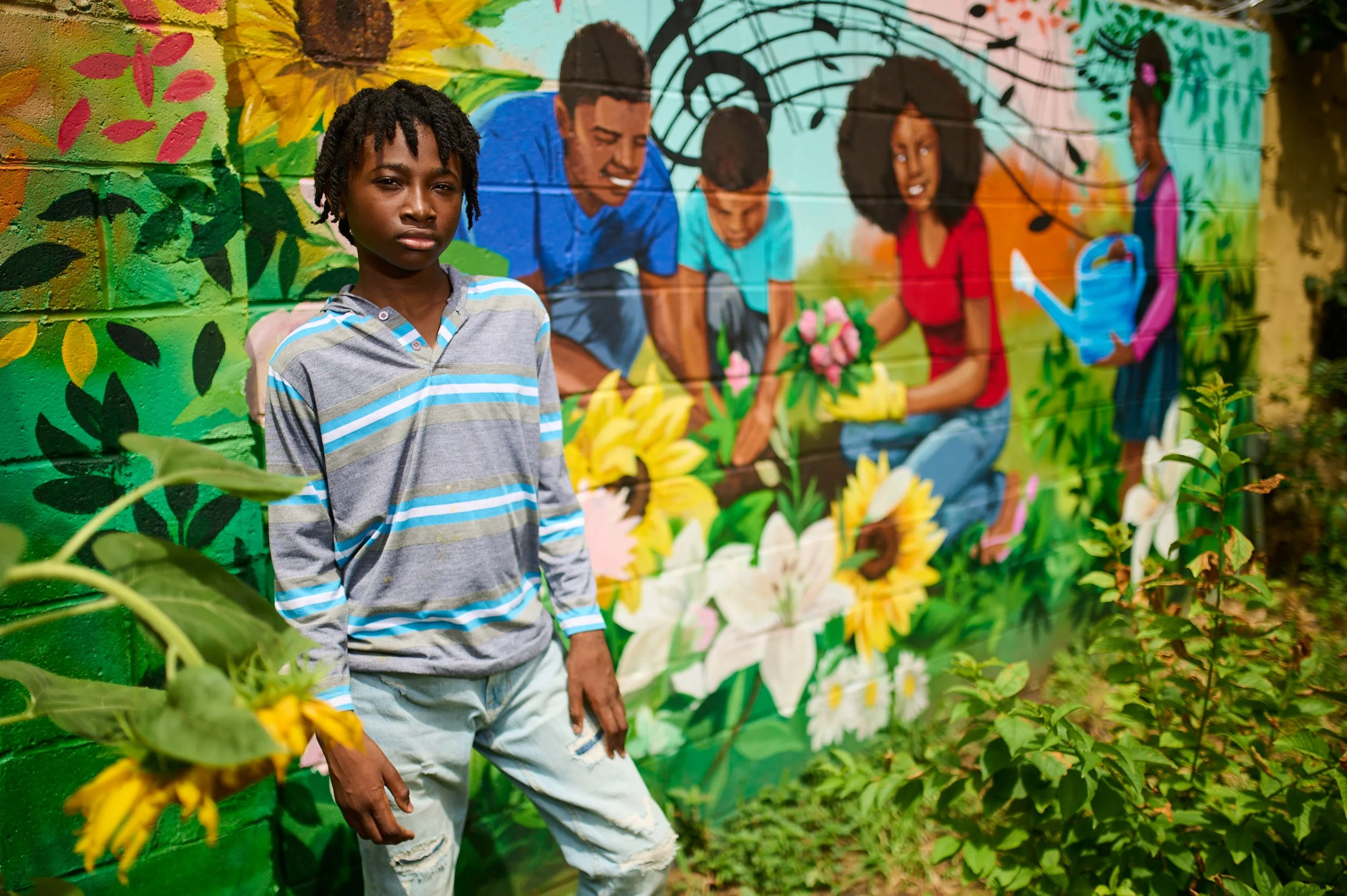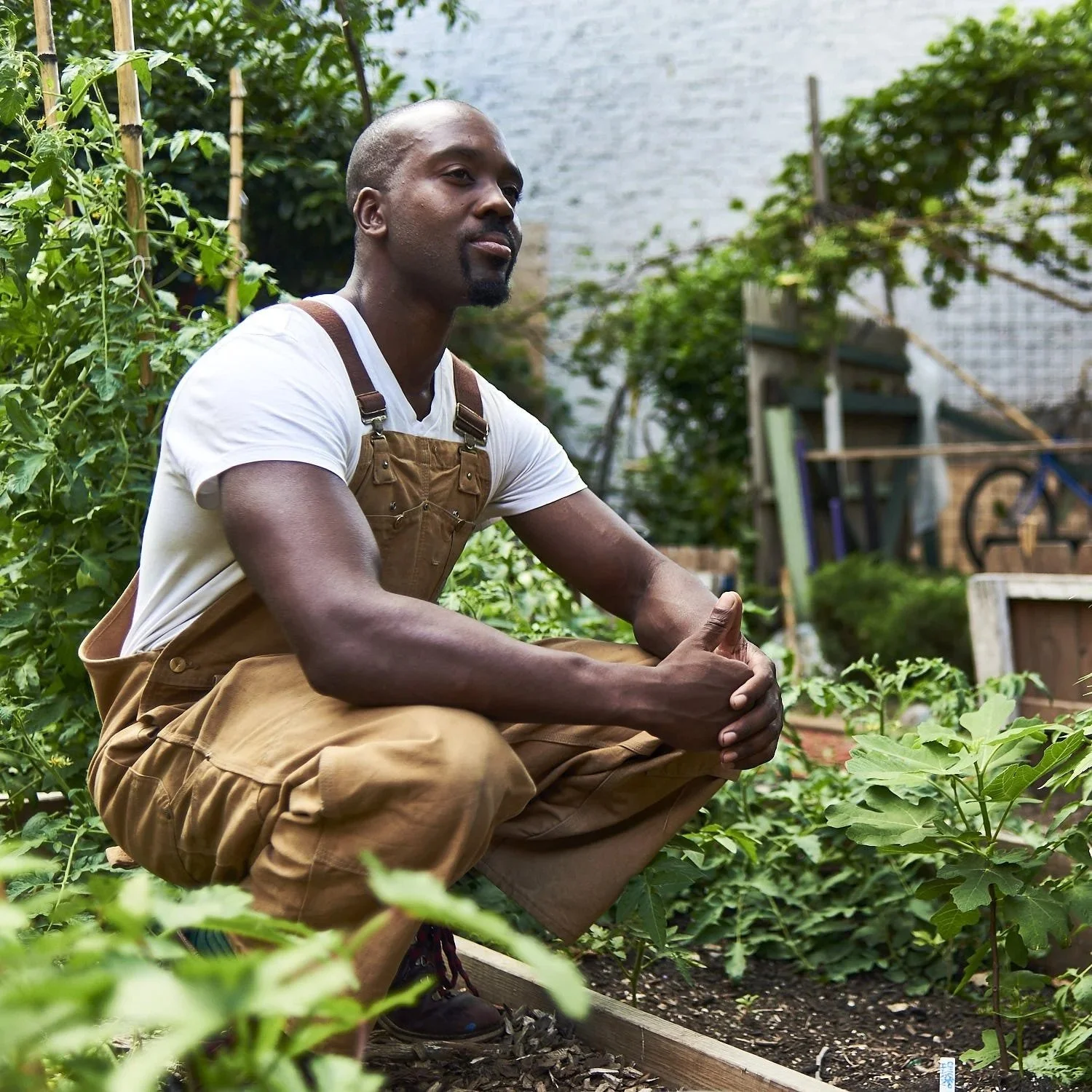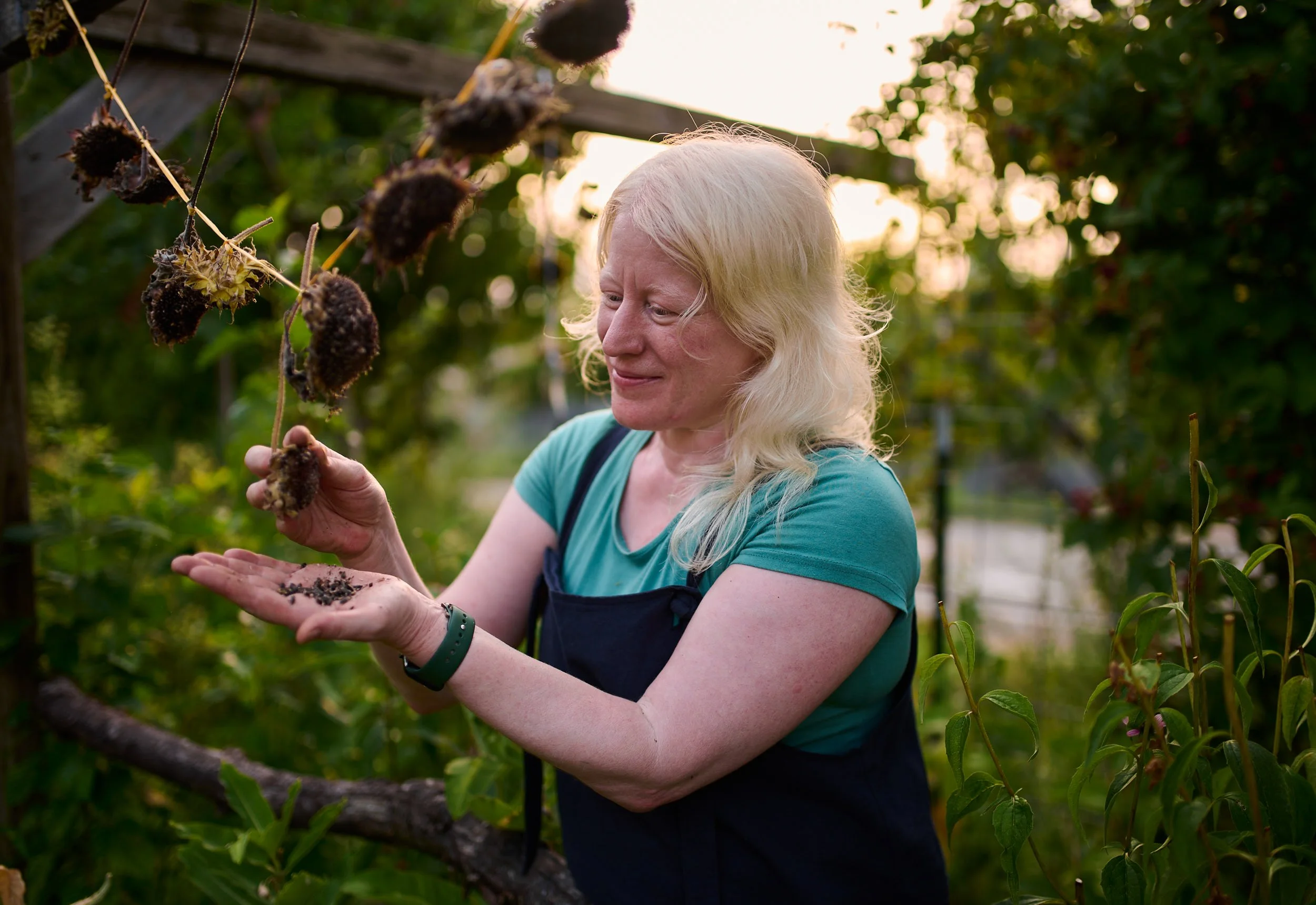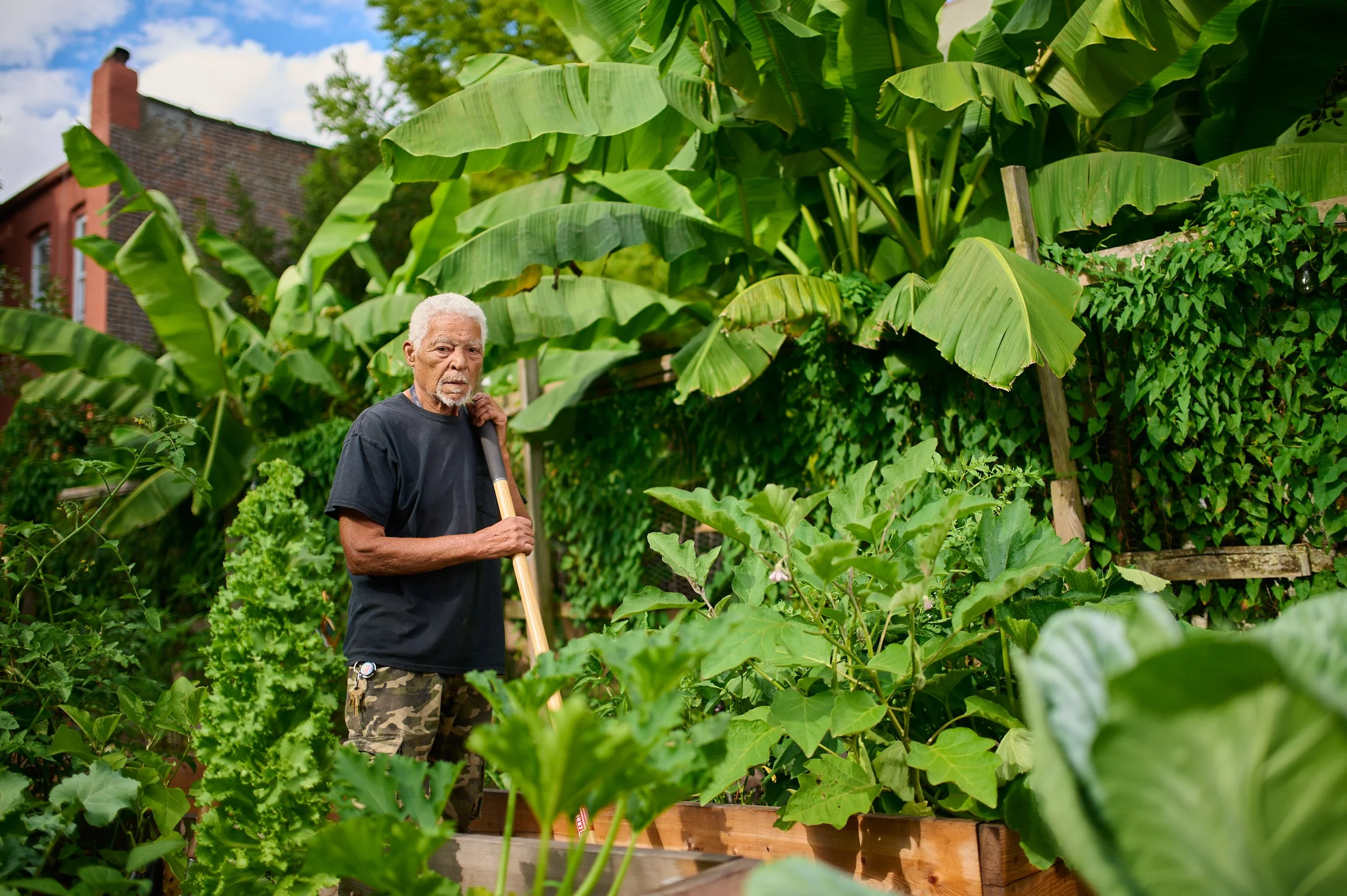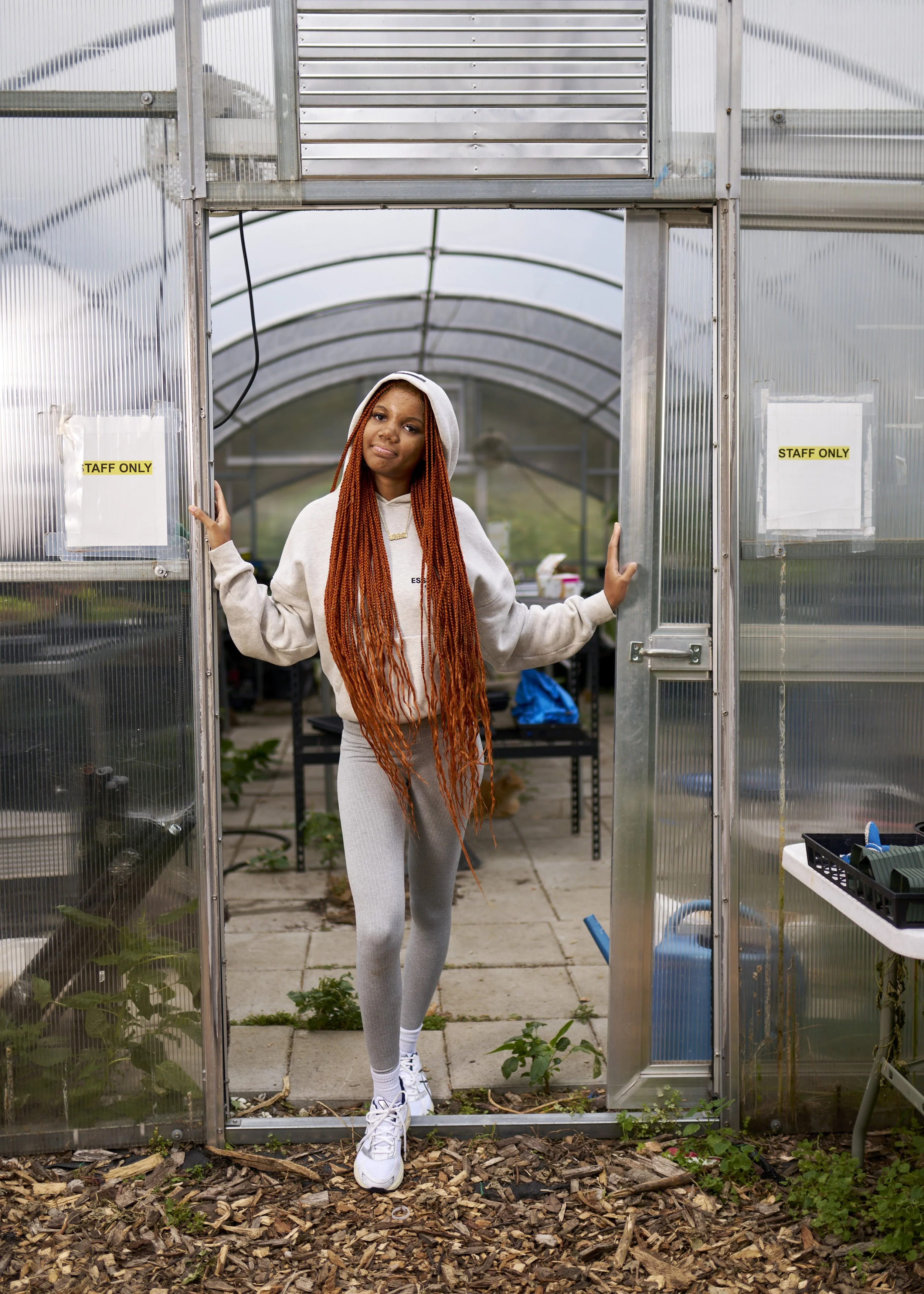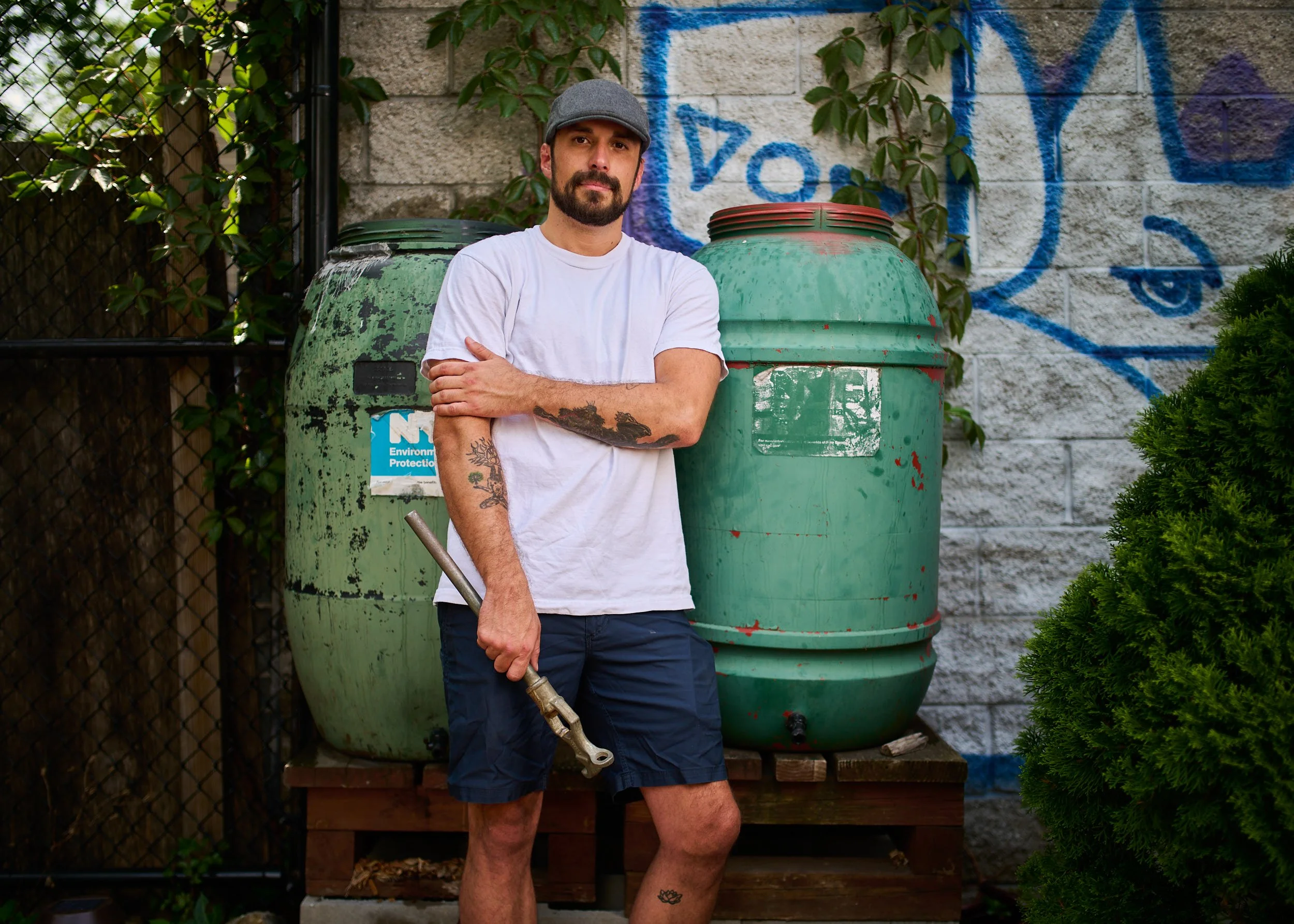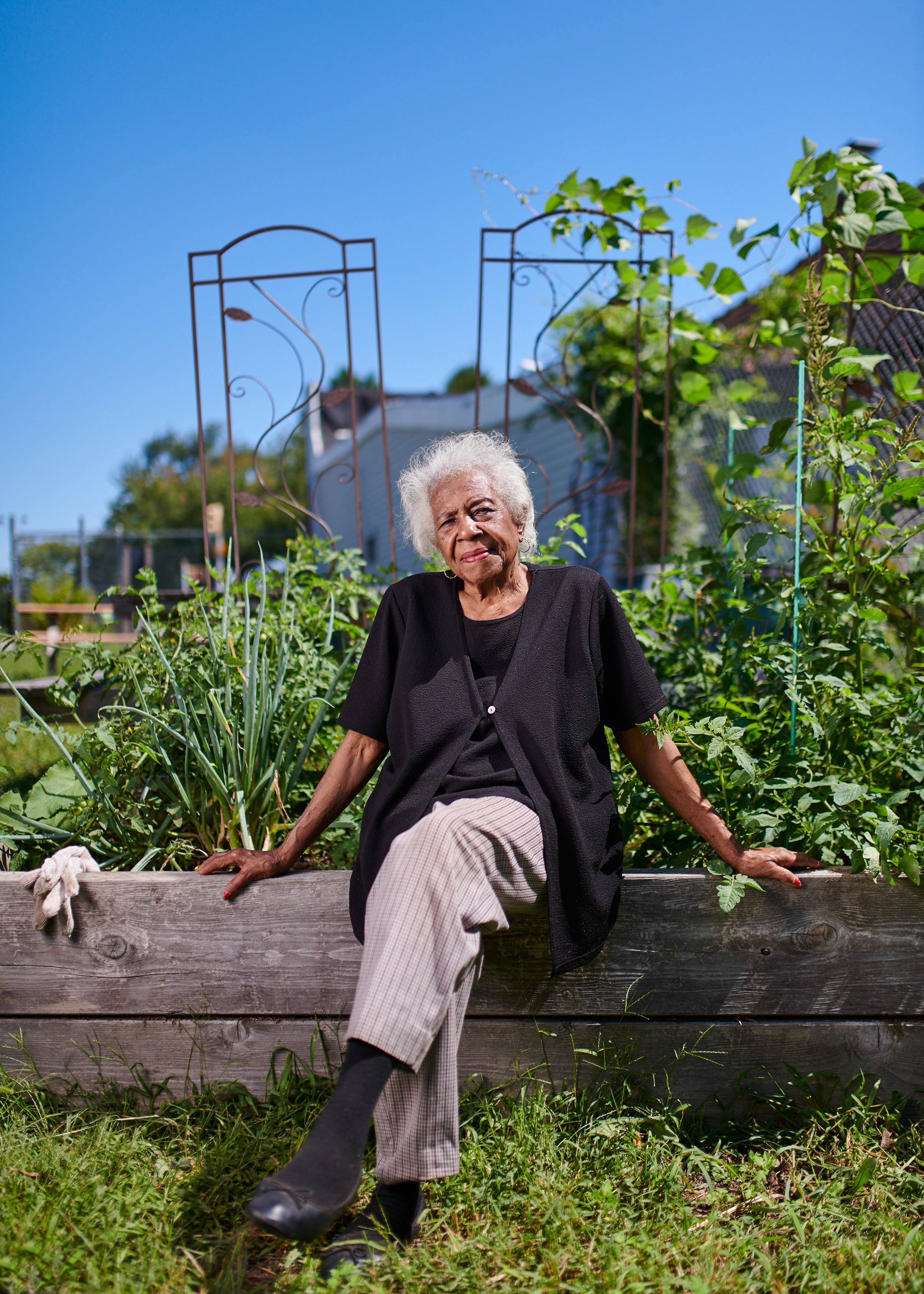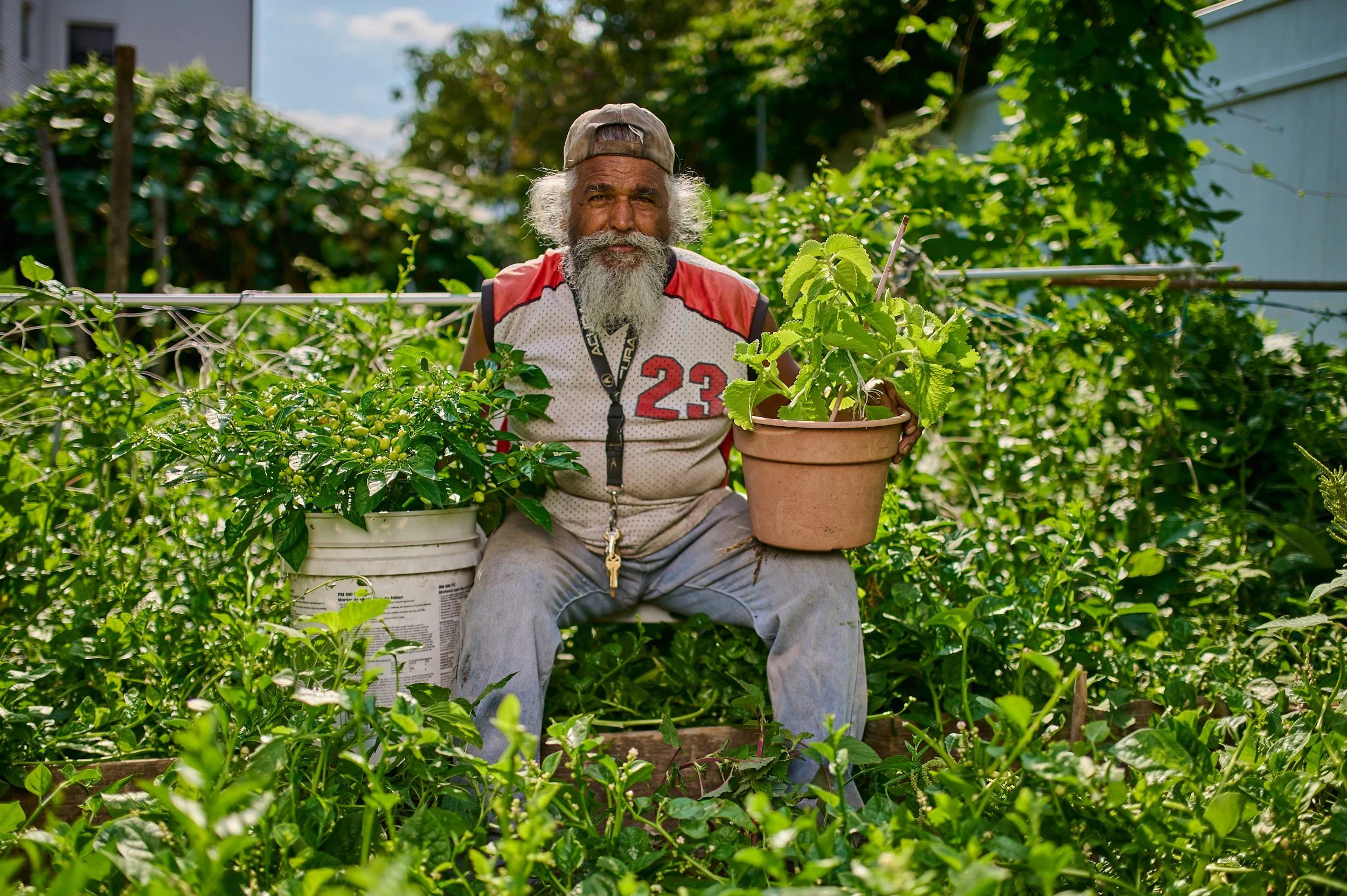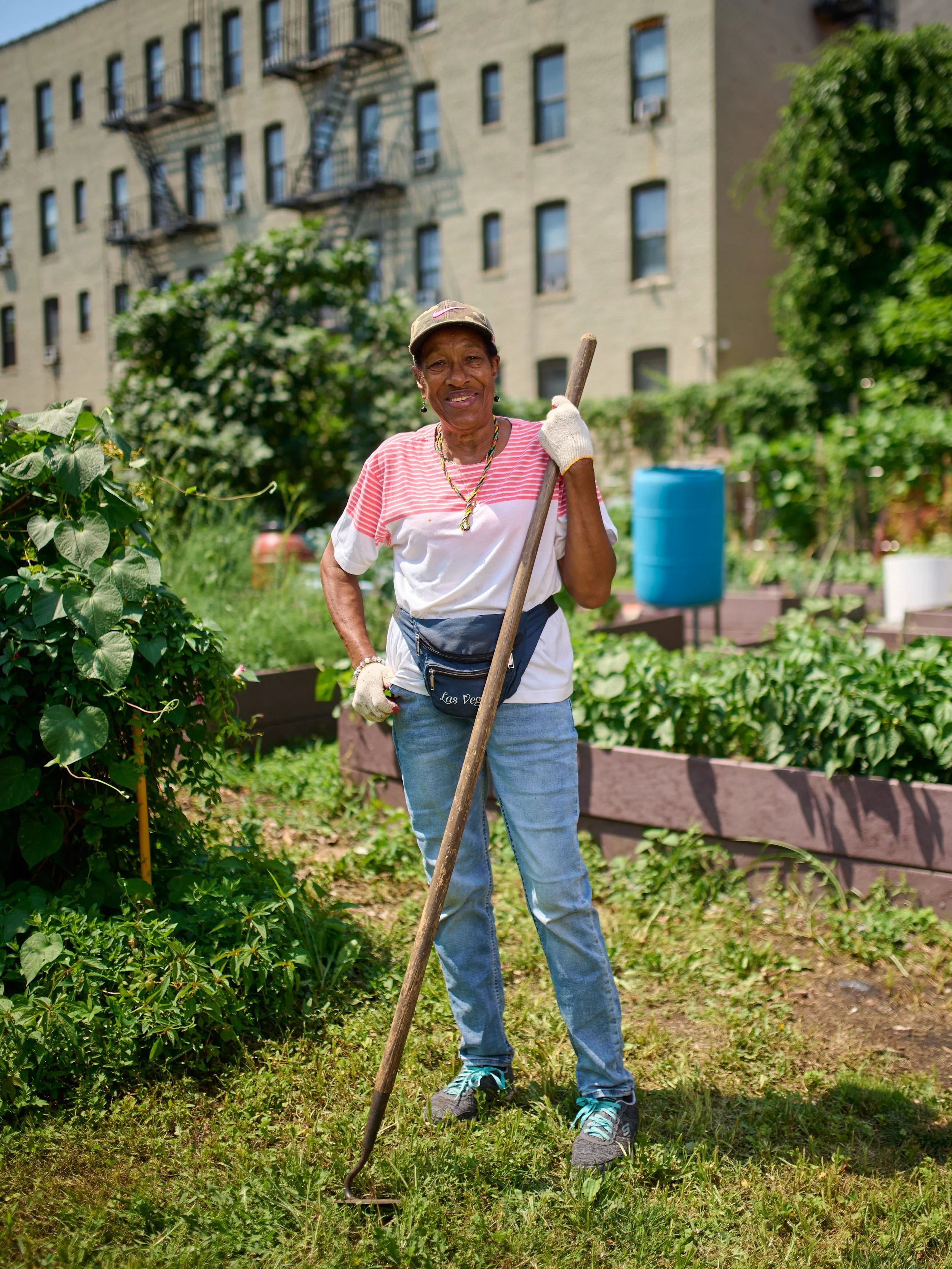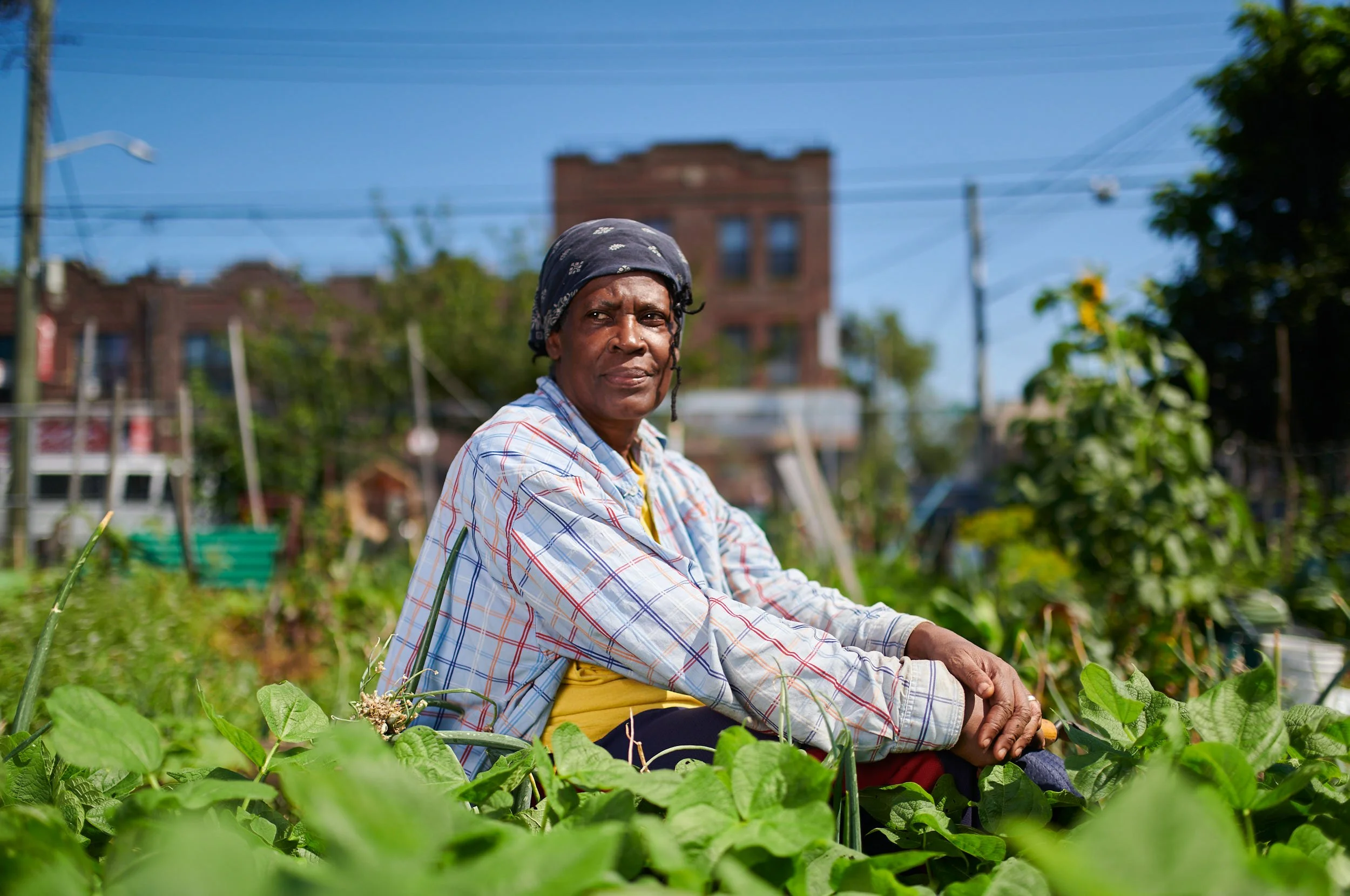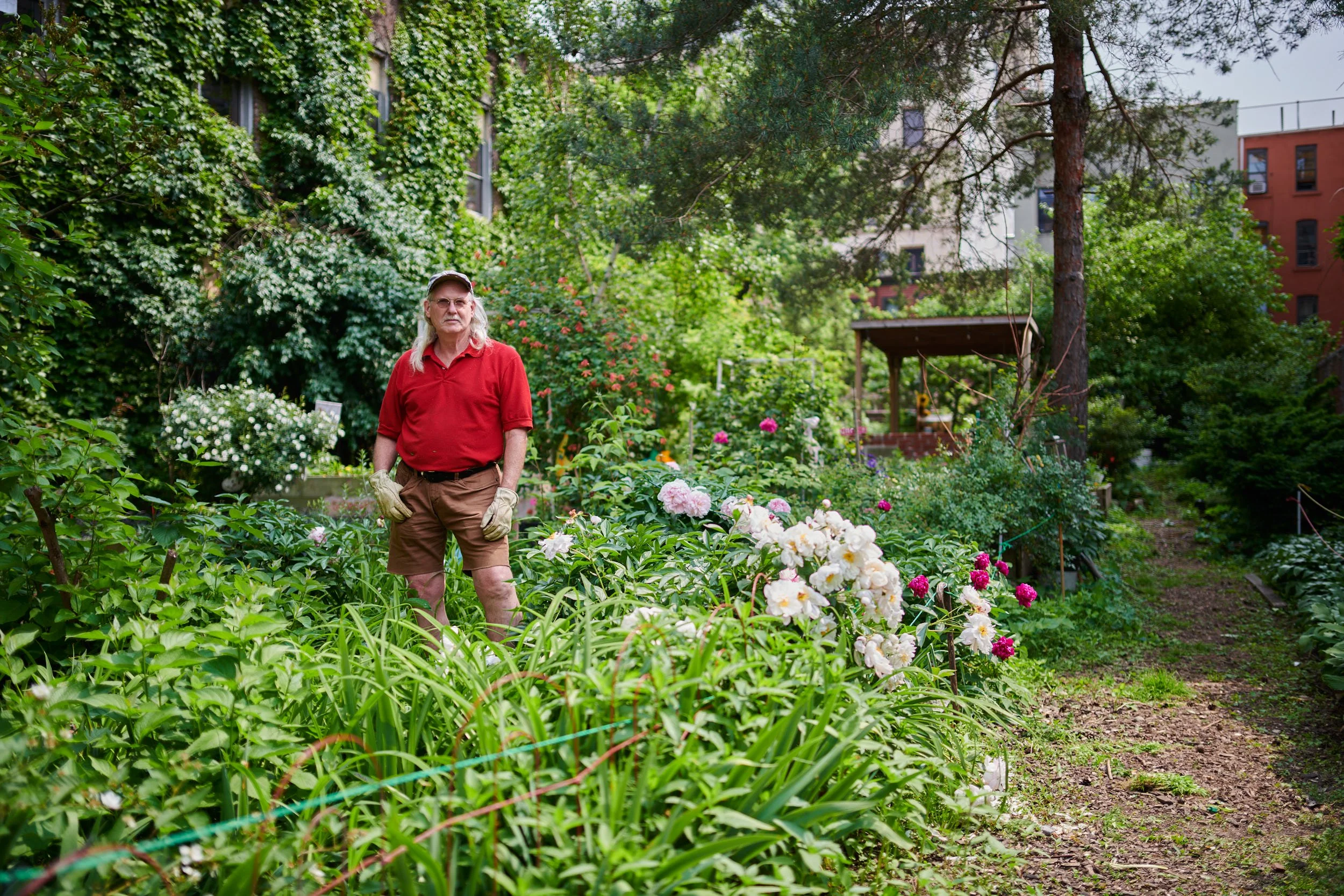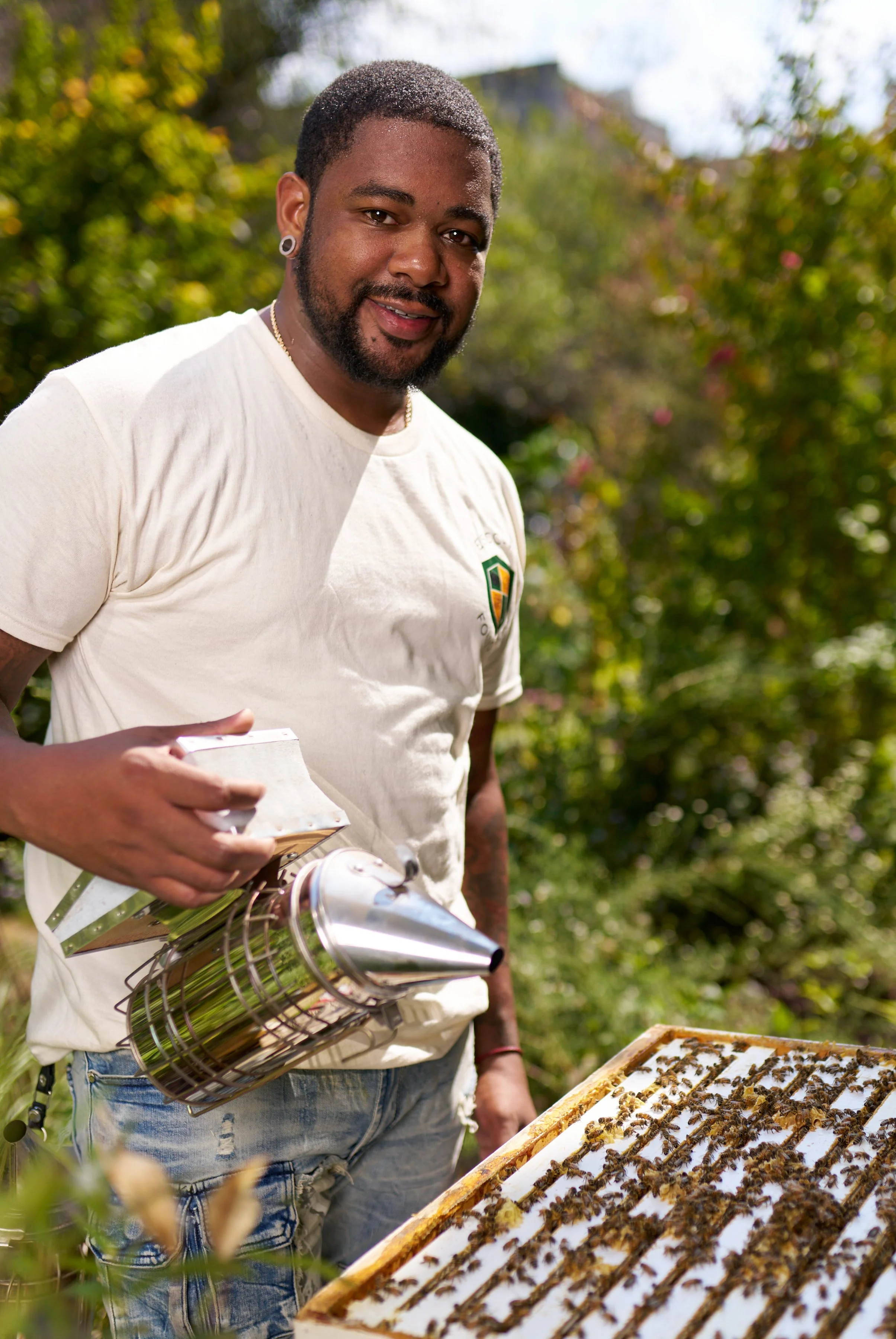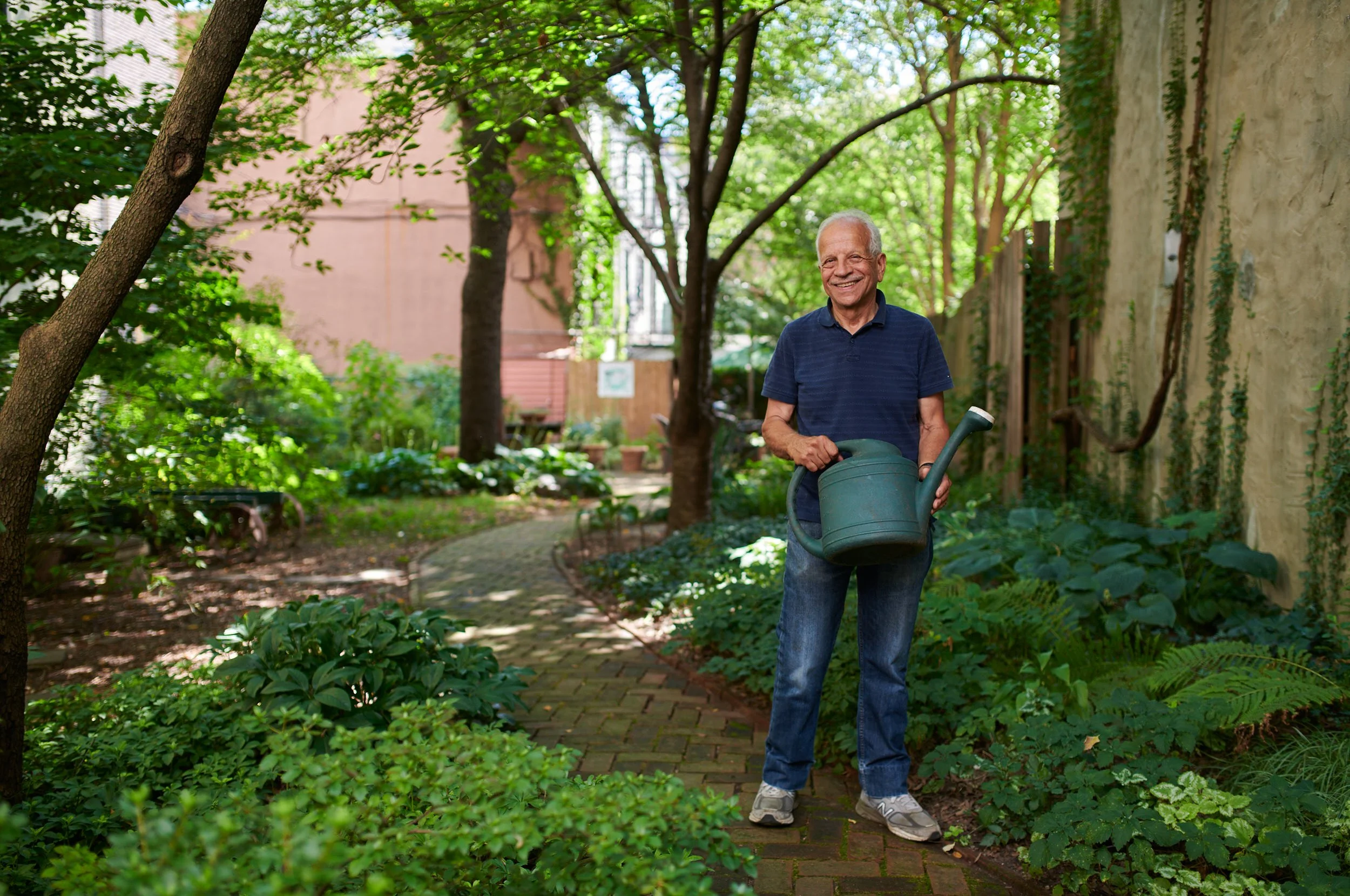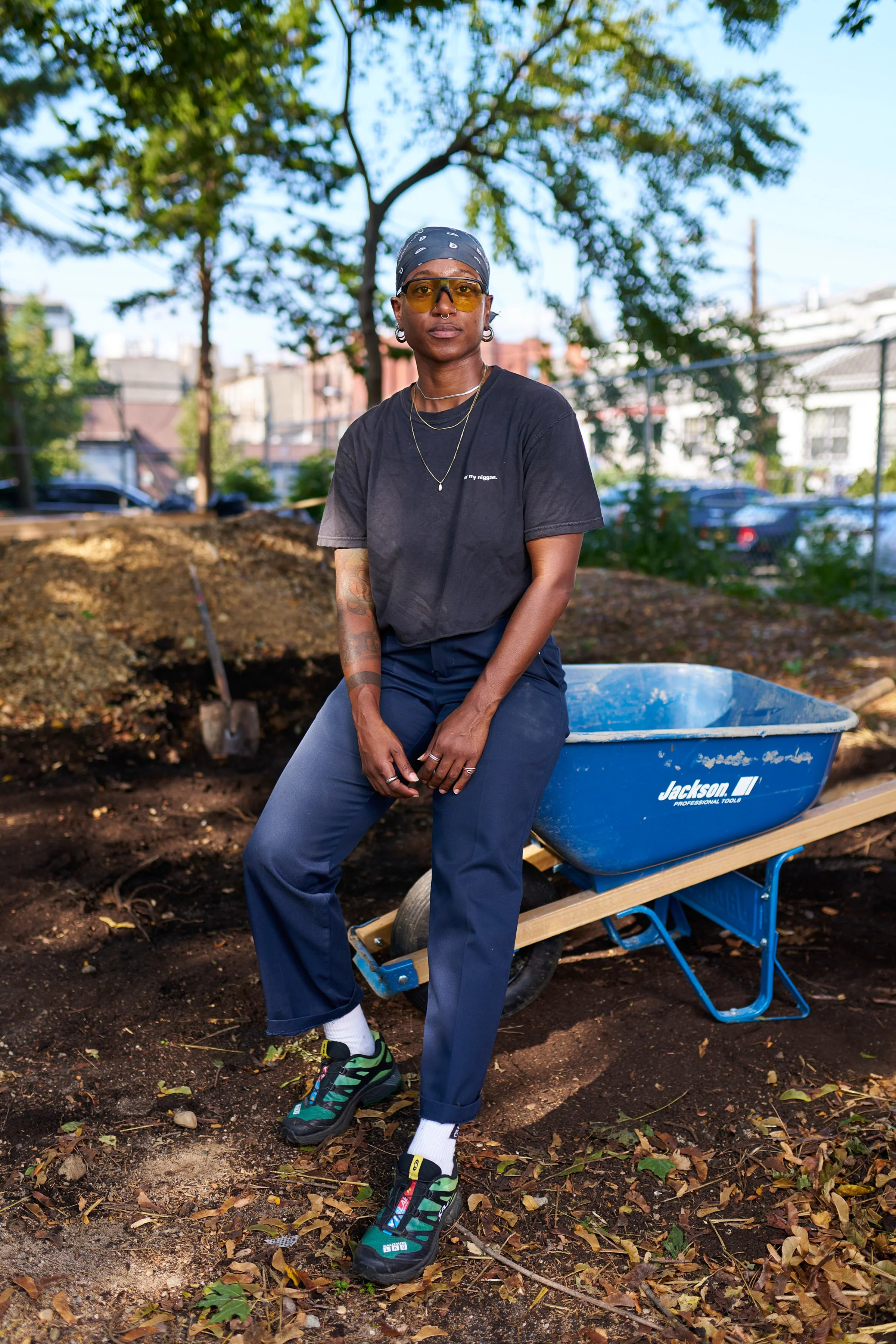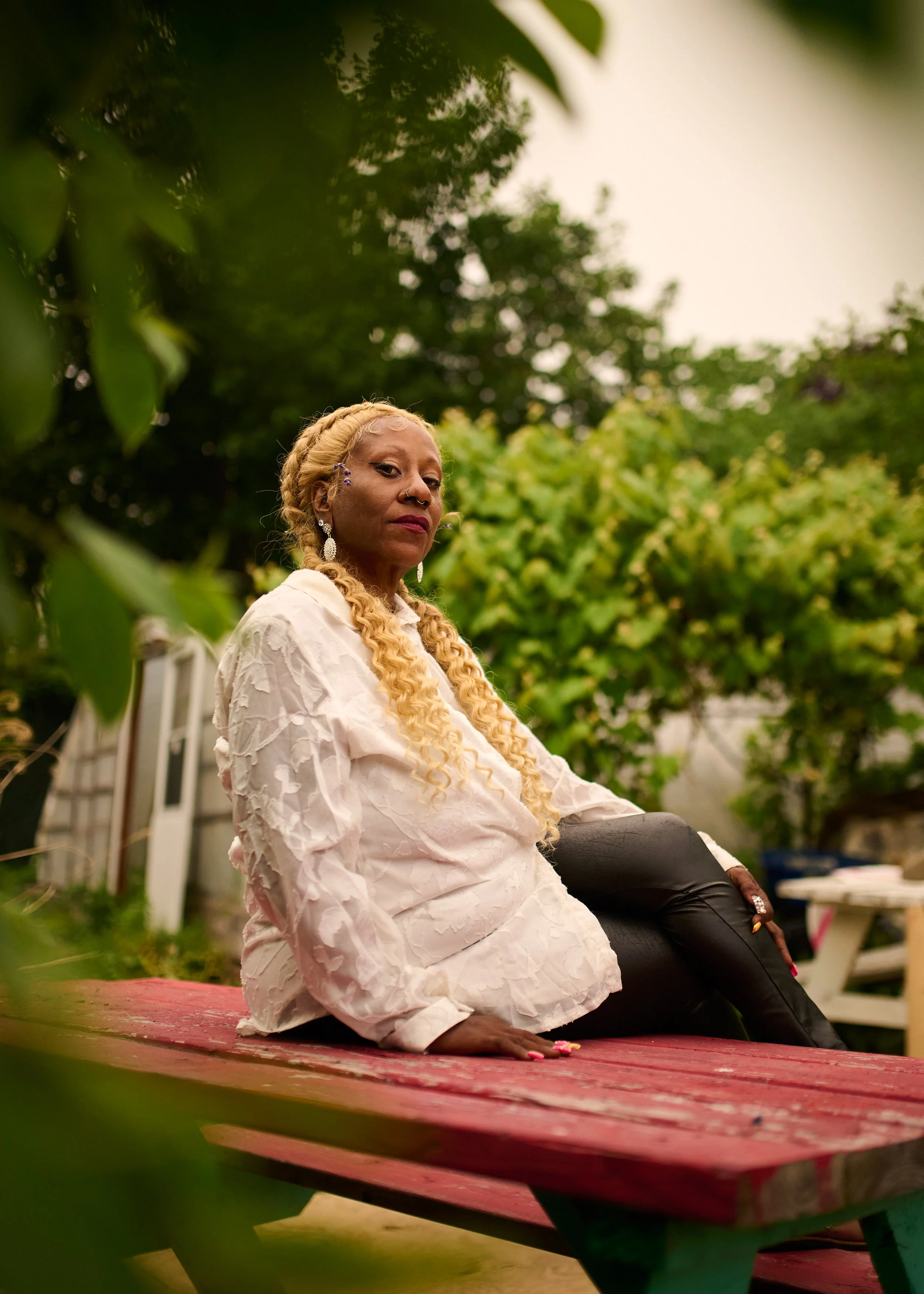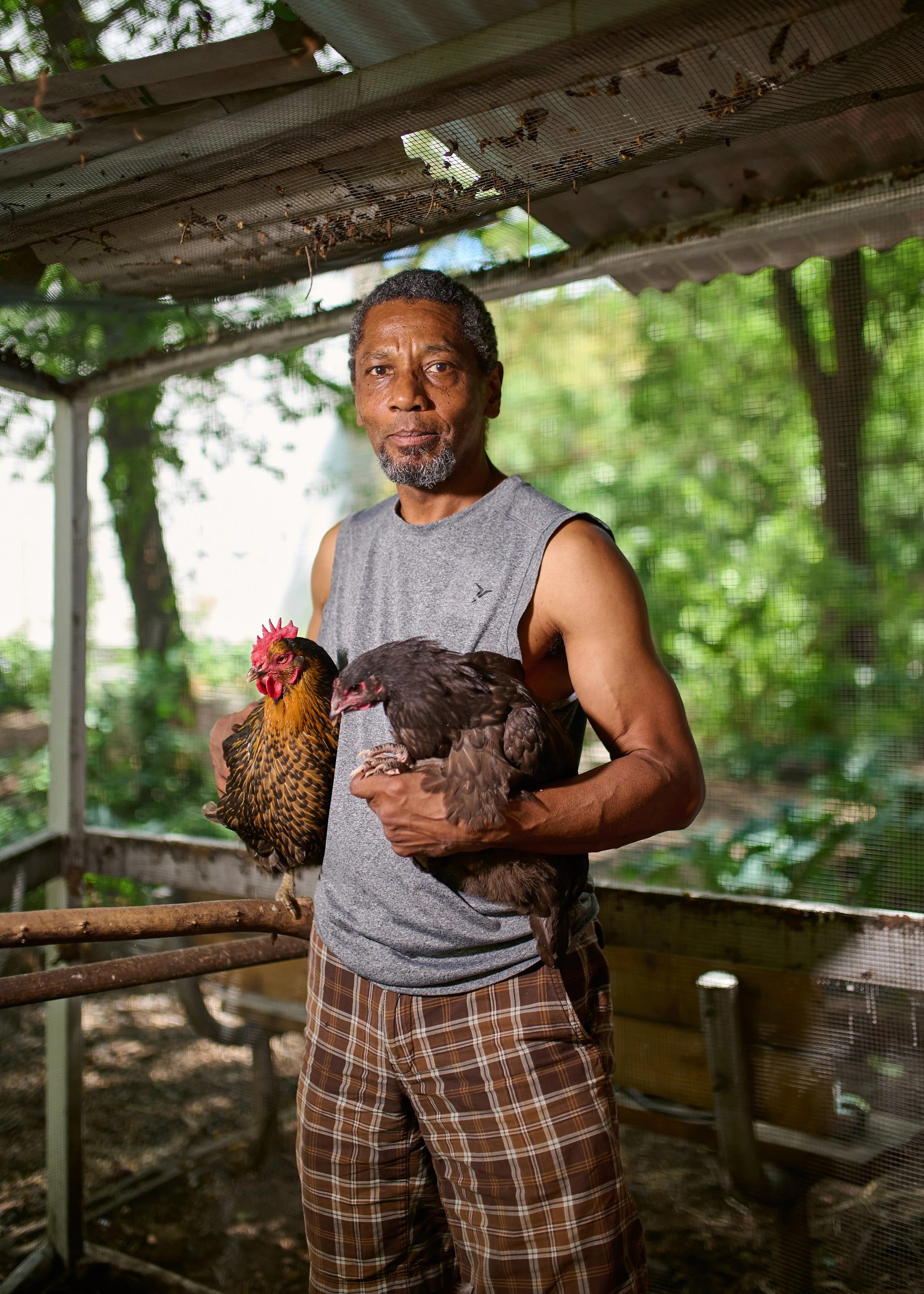

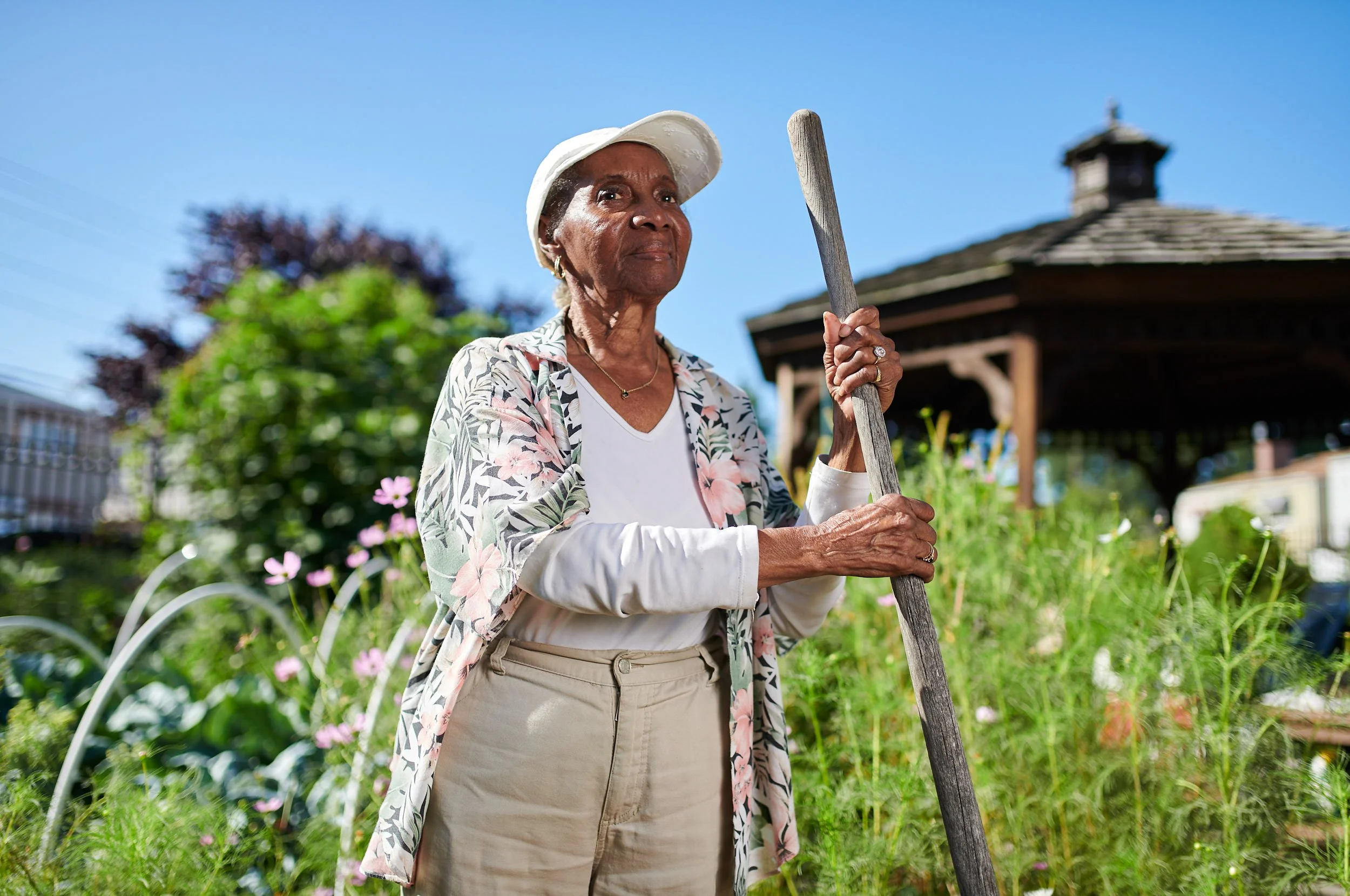


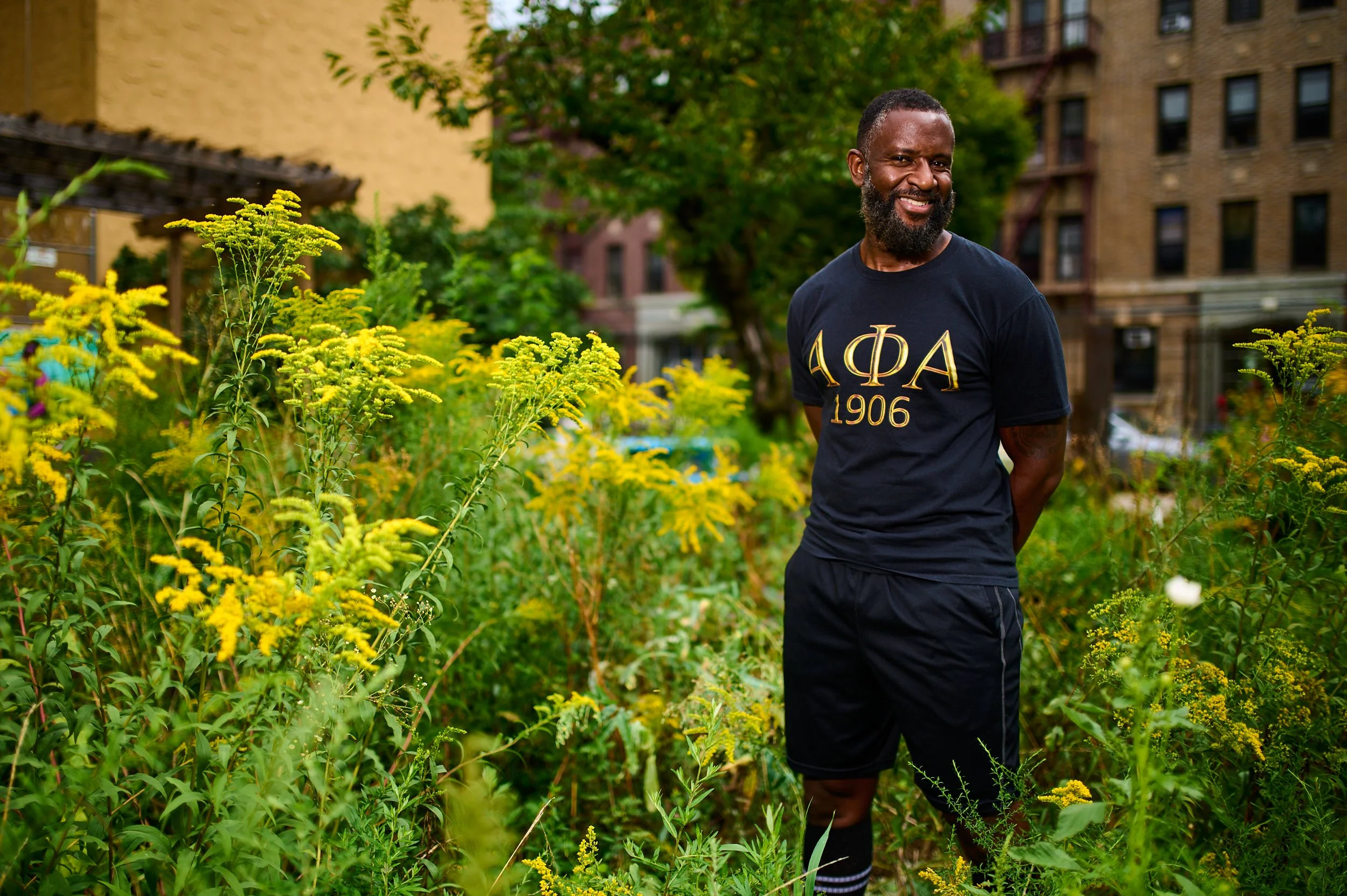
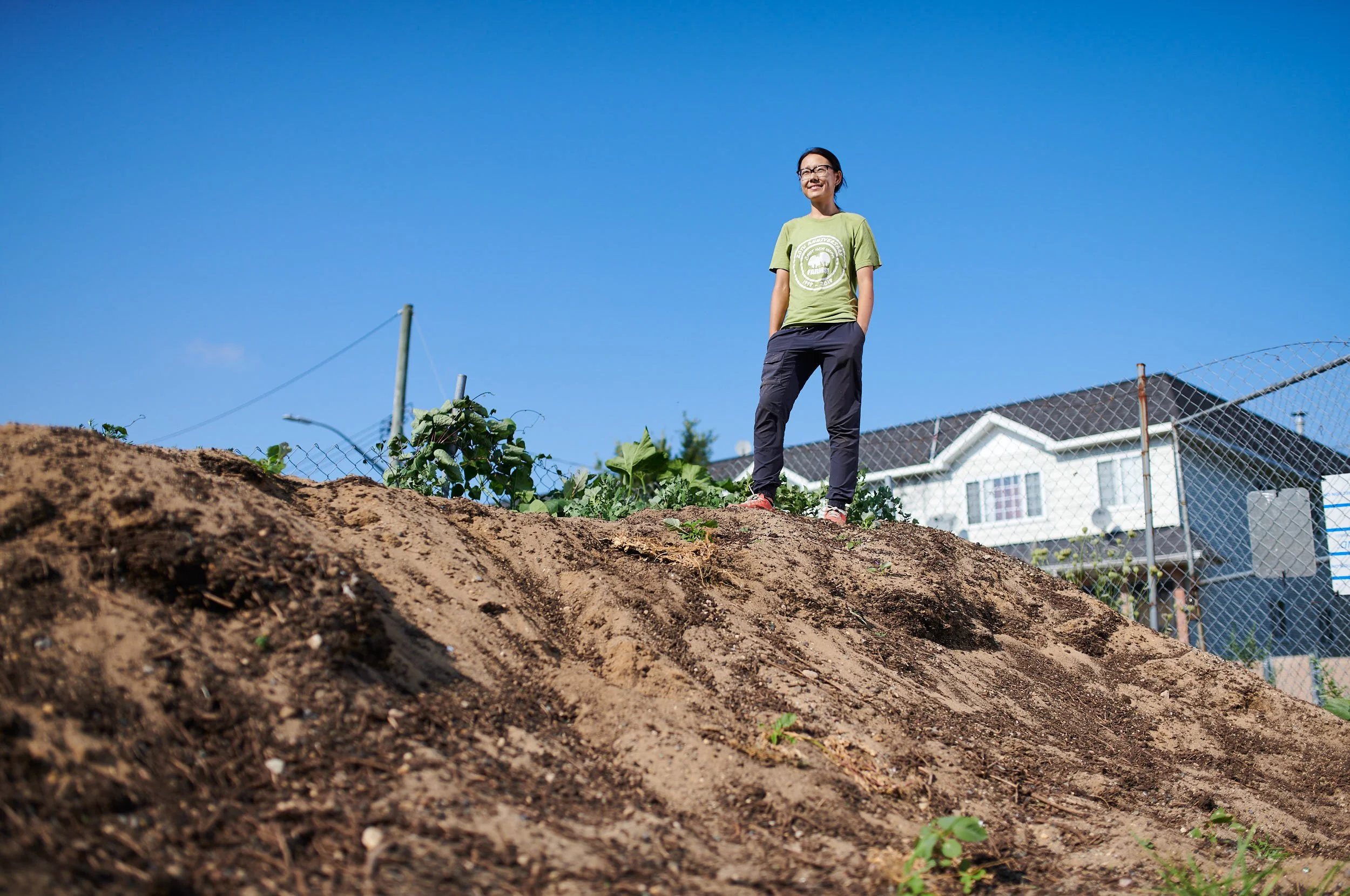
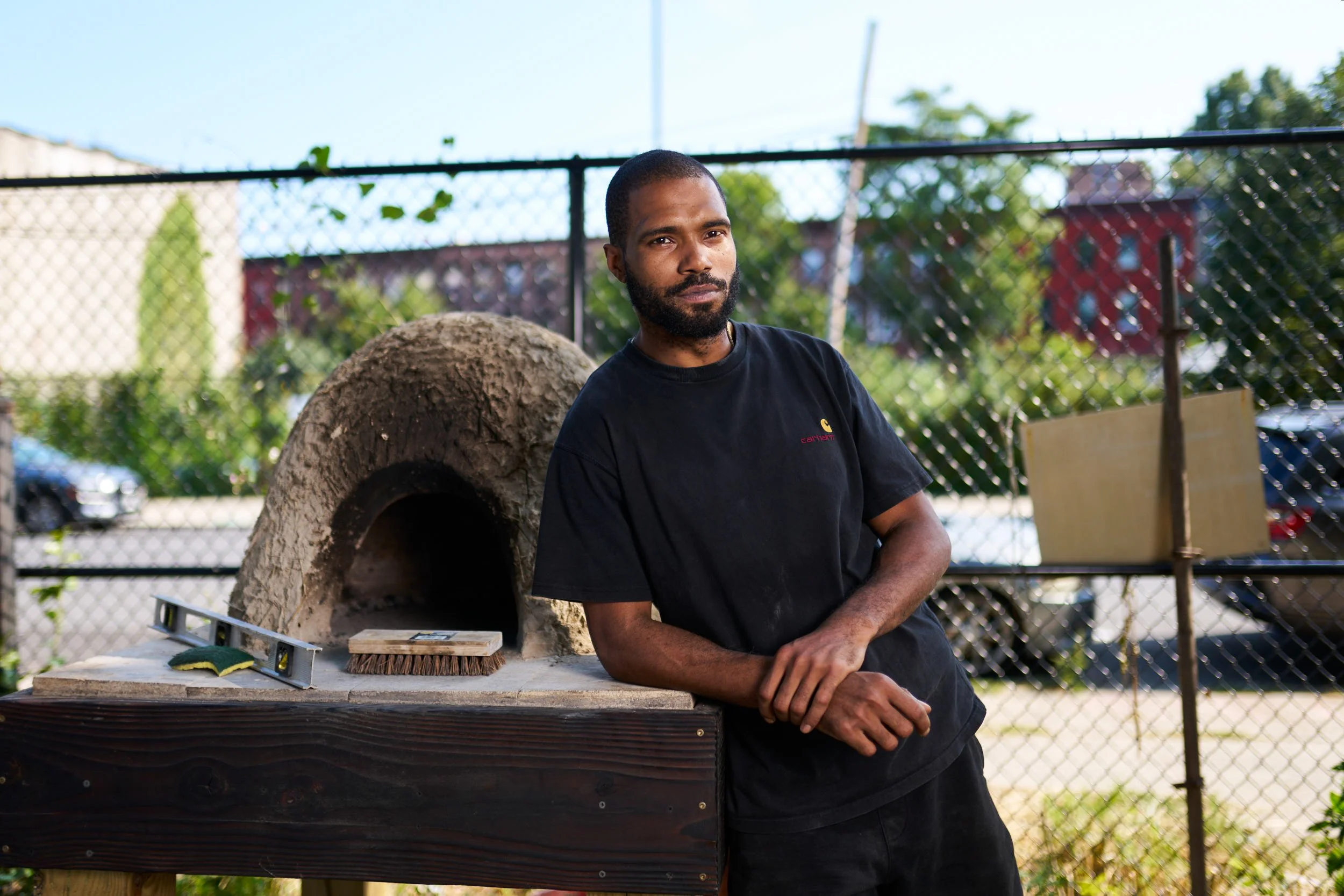
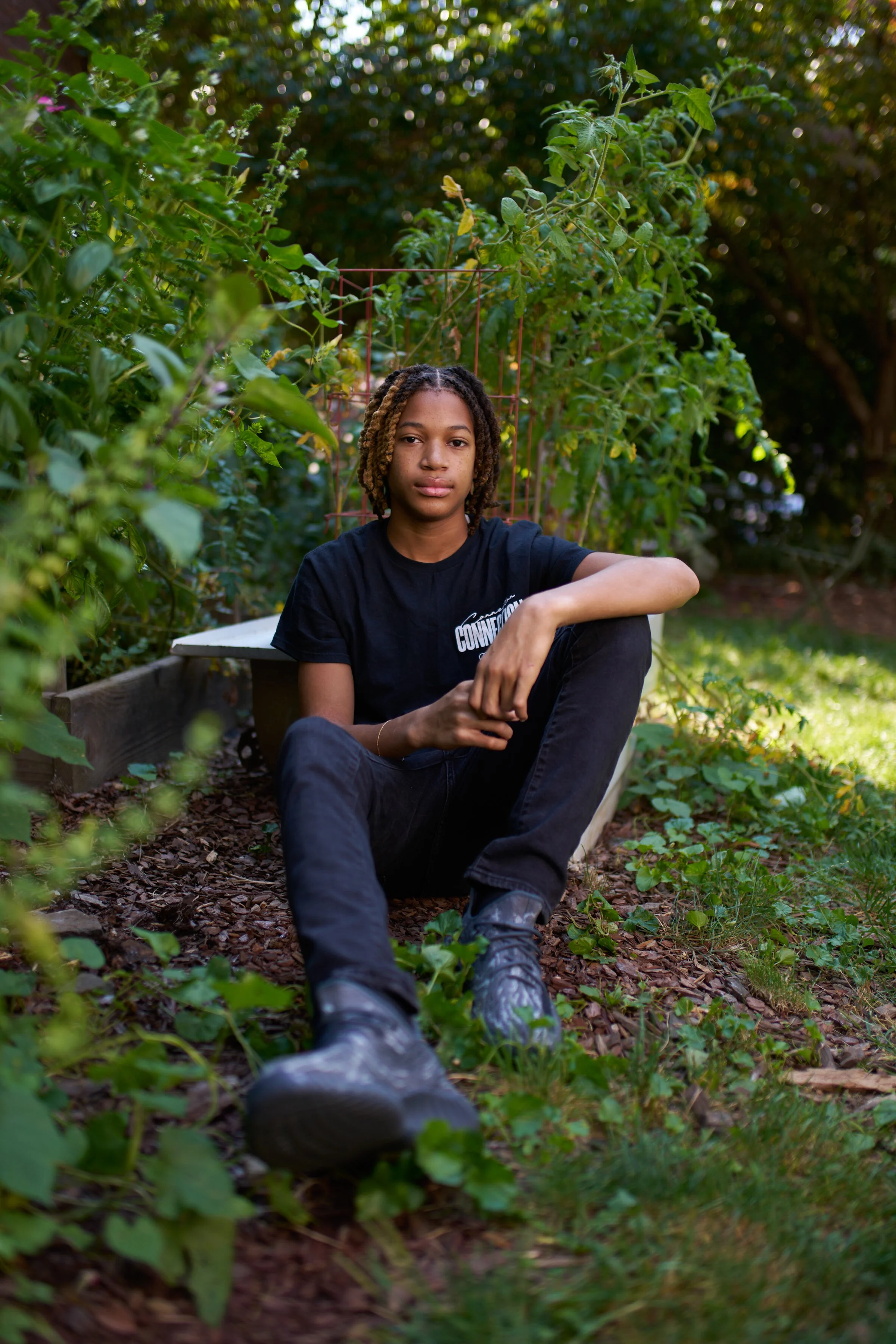
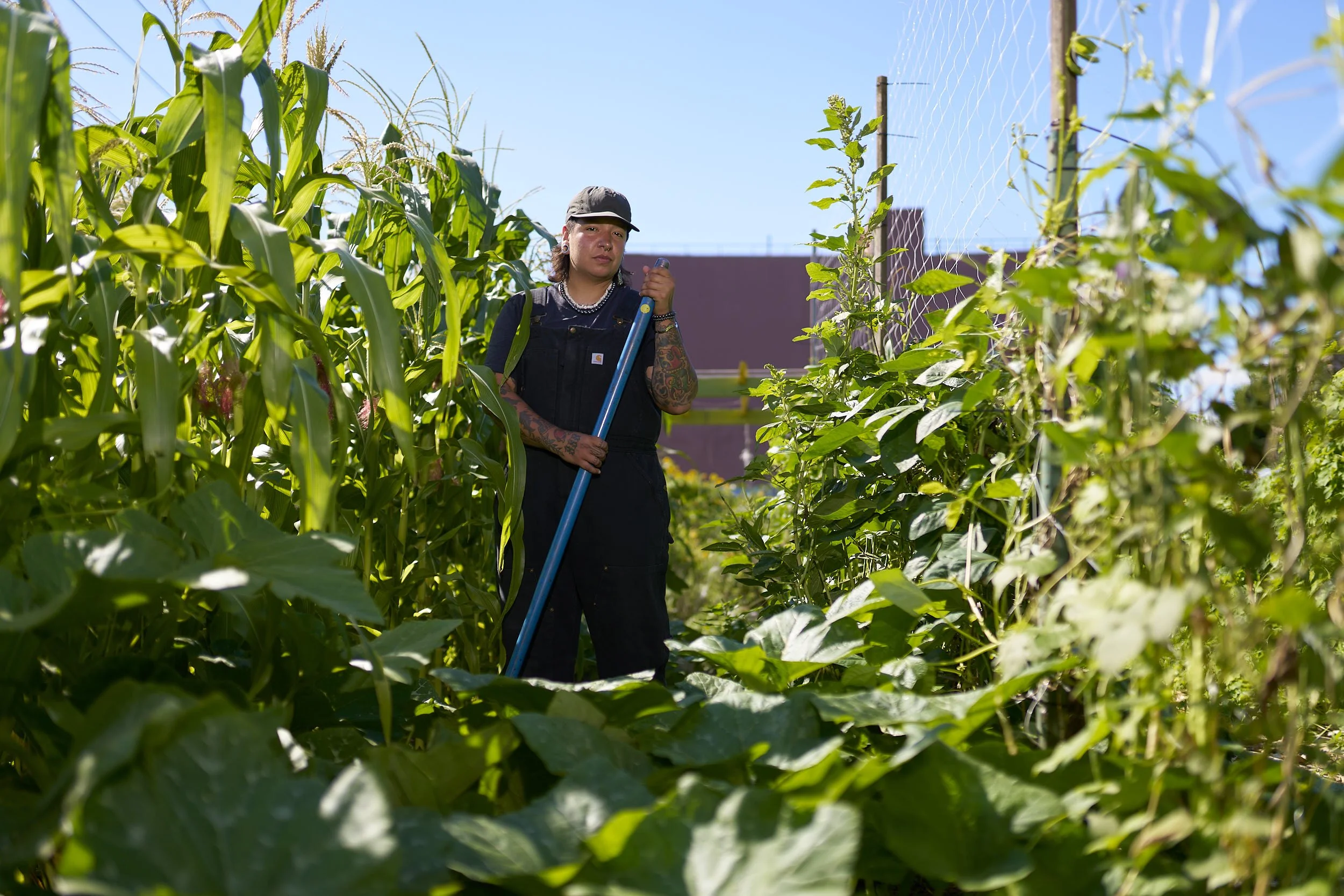
I'm from East New York, born and raised. I wanted to connect with my ancestors who used to do farming. My family is from Central America, and we have a lineage of people who stewarded the land. I personally don't know who those people were, but I know that when I do this work, I feel closer to them. It feels like more than a job because I'm feeding people in the community. About ninety percent of what we grow here goes back to the community. East New York is considered a food desert. Historically, there's been just fast food around us and never organic, local things until East New York Farms! came around. Our mission is food justice. And we're trying to feed people and fill in the gaps of food apartheid. This space is open to the community, so people can come here and hang out and see what's growing. A lot of the crops we grow here are culturally relevant to the people who live here. When they come here, they often see things growing that remind them of home. I think it's important for the community to know that these spaces exist because they're here for them. There's always a space for people on the farm. It's not always about heavy labor and things like that. It's also about being still and just being with the land and plants. I identify as a queer person, and I'm nonbinary. I use they/them pronouns, and East New York is a very traditional neighborhood, so I often feel like there's not a lot of visibly queer people here. I think there are some youth who are able to be comfortable being queer that I've noticed. I'm having an impact in that way, but my experience here has been a really big learning experience for me and others, teaching them about identities and that different people exist in the world outside of the binary system. I'm here because this is part of my journey. And you get exposed to me, you see me, and you see me as a different person. At least, you get to see me operate in a space that's traditionally very cisgender.